Real Iran is the visionary CEO of Future-Islam™, a Muslim entrepreneur whose start-up merges neoliberal branding with high-tech religious solutions. He is most renowned for Disco Islam, a gleaming, techno-utopian nightlife ecosystem where spiritual compliance and hedonistic luxury are seamlessly integrated into a trademarked, Sharia-compliant experience. His portfolio also features a suite of pious musical technologies that reconcile modern artistic expression with spiritual repentance through corporate intervention. Operating with the relentless optimism of a Silicon Valley mogul, Real Iran treats cultural shifts and ecological crises as “growth opportunities” for his speculative empire. His ultimate mission is to ensure that by the year 2058, every facet of identity is a seamless, trademarked experience that is as profitable as it is devoutly Islamic.
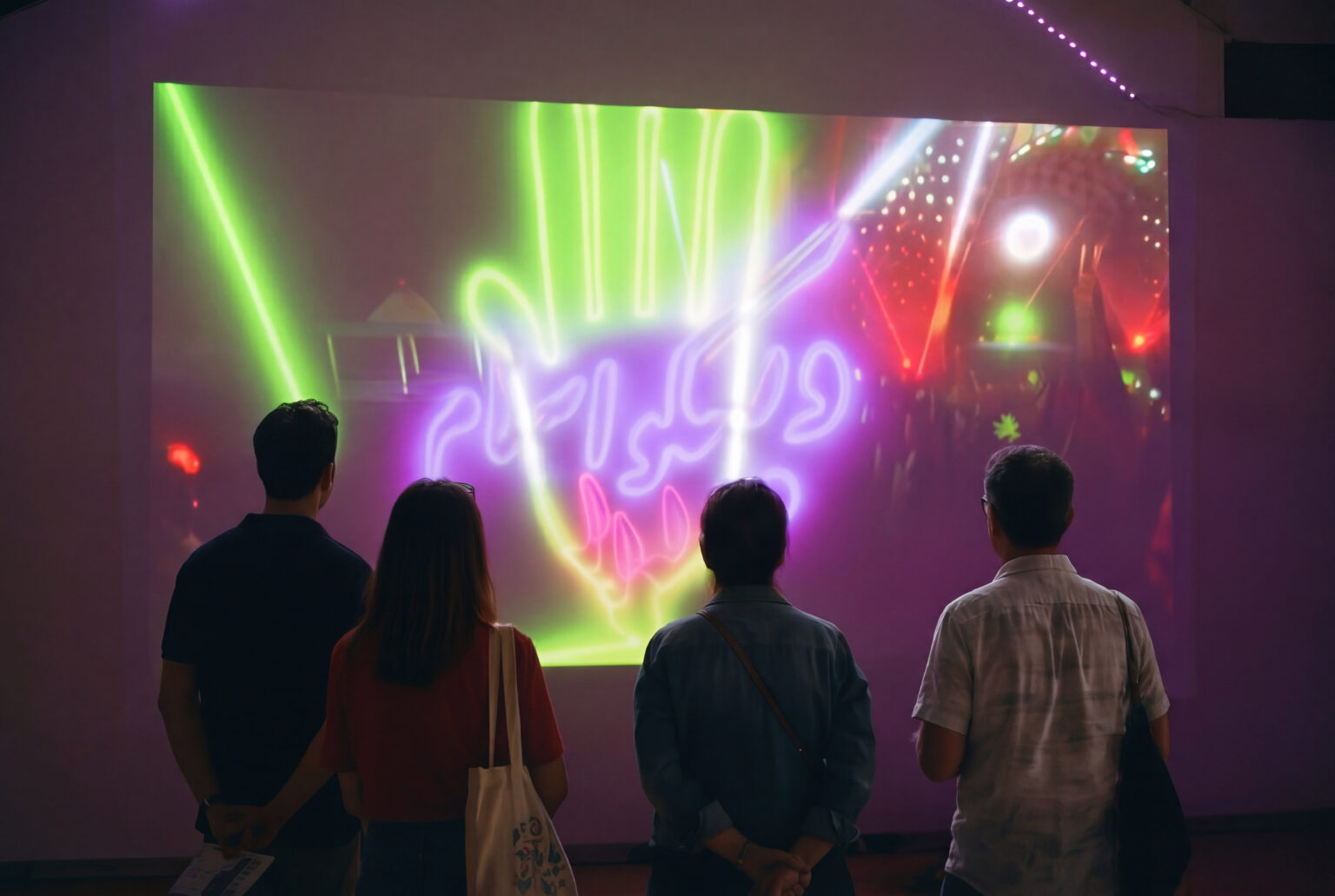
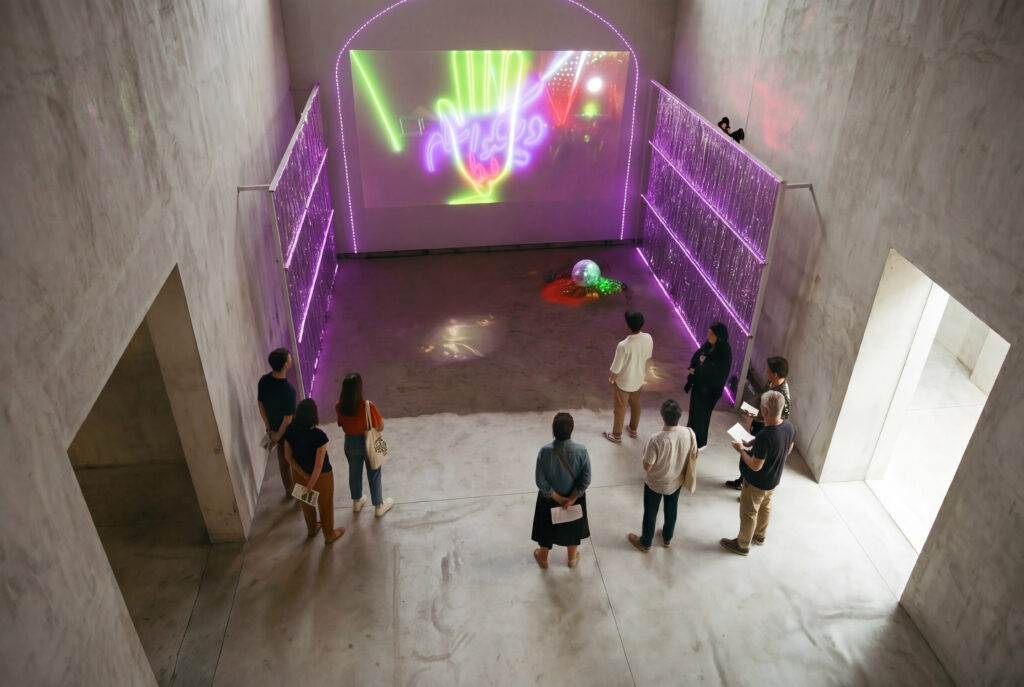
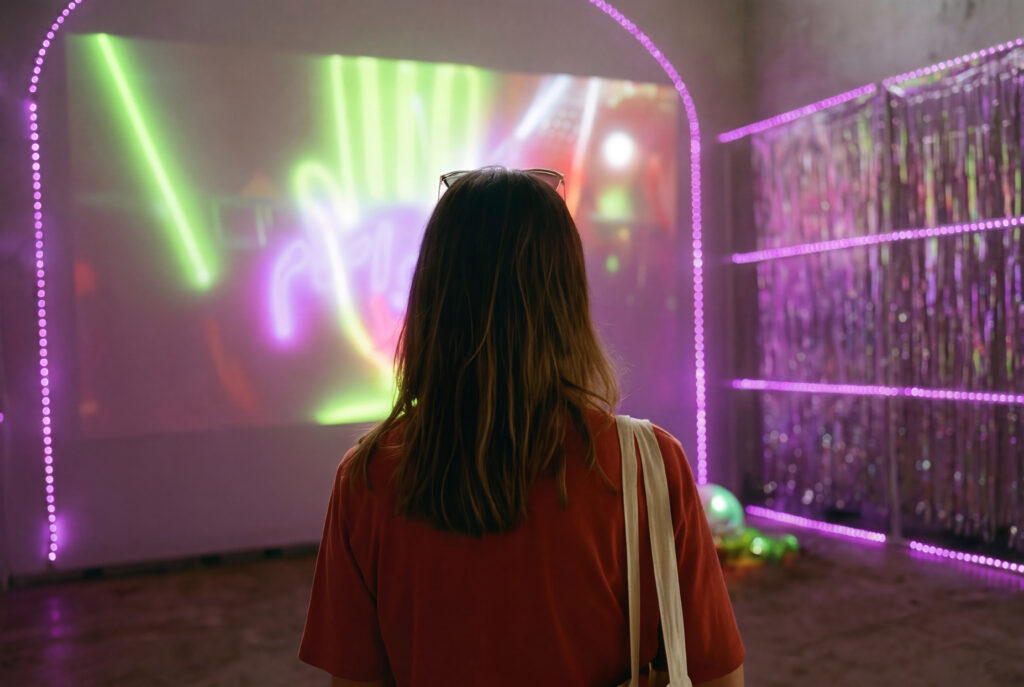
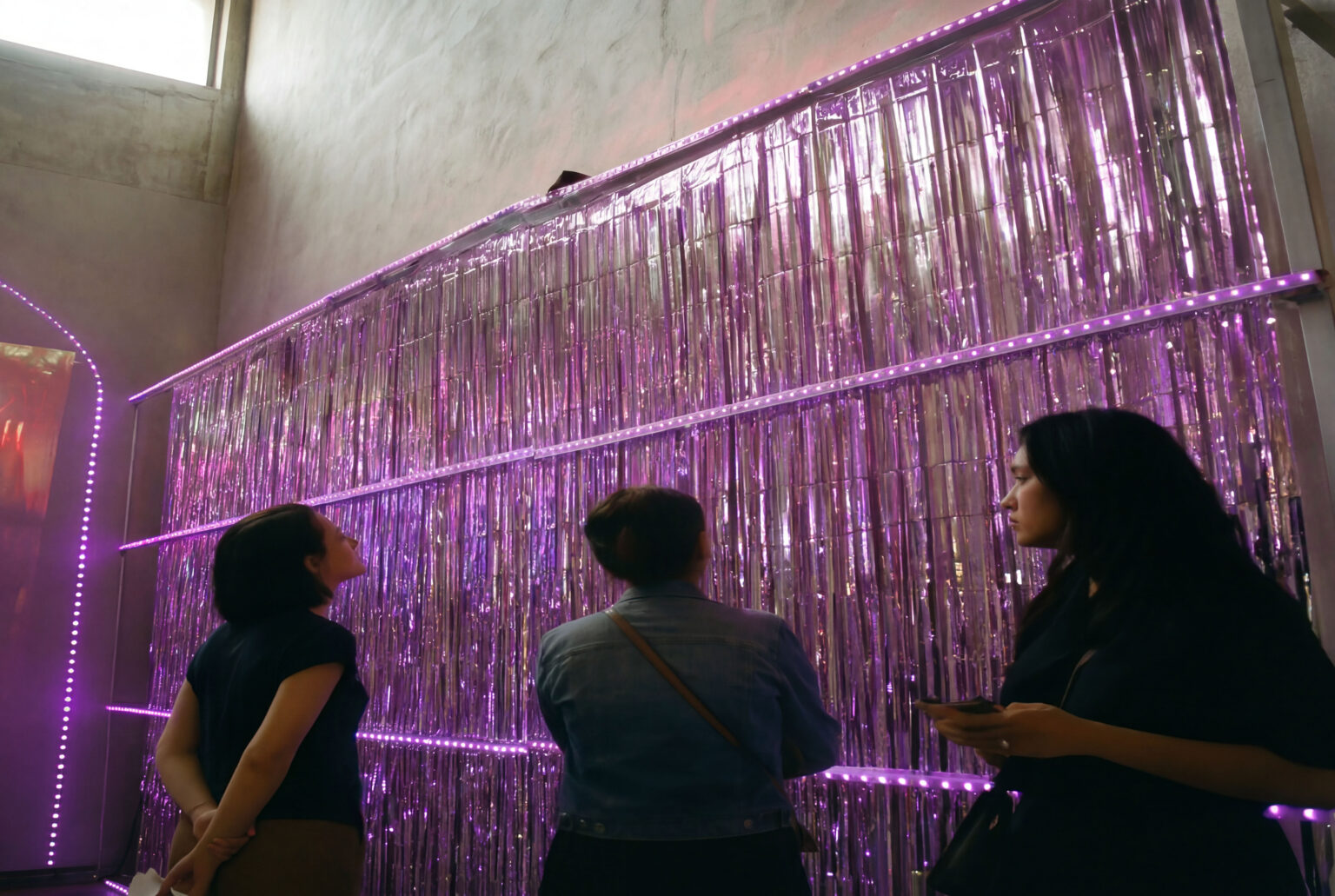
Set in the not-so-distant future, Disco Islam is a sci-fi corporate video inaugurating the opening of the biggest nightclub in the Middle East. Using CGI, live-action and music, Disco Islam appropriates the aesthetics of the world of advertising and commerce in order to shed a light on issues created by the implementation of neo-liberal policies in the Middle East and the dystopian techno-capitalist solutions towards them. The film begins with boasting about a life-changing investment in the nightlife industry by the ‘Future-Islam start-up company’ which is going to deliver world standard entertainment in Iran within the legal confines of this Islamic country. The talking-head character in the film who introduces himself as a ‘Muslim entrepreneur and an Islamic futurist’ then continues to describe Disco Islam as a ‘state-of-the-art cultural project’ which has come together in response to an ‘Iranian dream for luxury and freedom’. He also argues that the project is meant to bring about economic and political stability in a country which is going through some sort of a revolution. By juxtaposing fact and fiction as the story moves forward, Disco Islam unravels the economic, environmental and human rights issues caused by the implementation of neo-liberal policies in Iran and the senseless techno-capitalist solutions employed by the fictional start-up company to deal with them. Disco Islam ultimately pictures a dystopian vision of the Middle East in which the market ideology of free-trade and boundless profit-making has resulted in economic injustices, environmental catastrophes and the abandonment of the humanist project in Iran.
Link to the Video